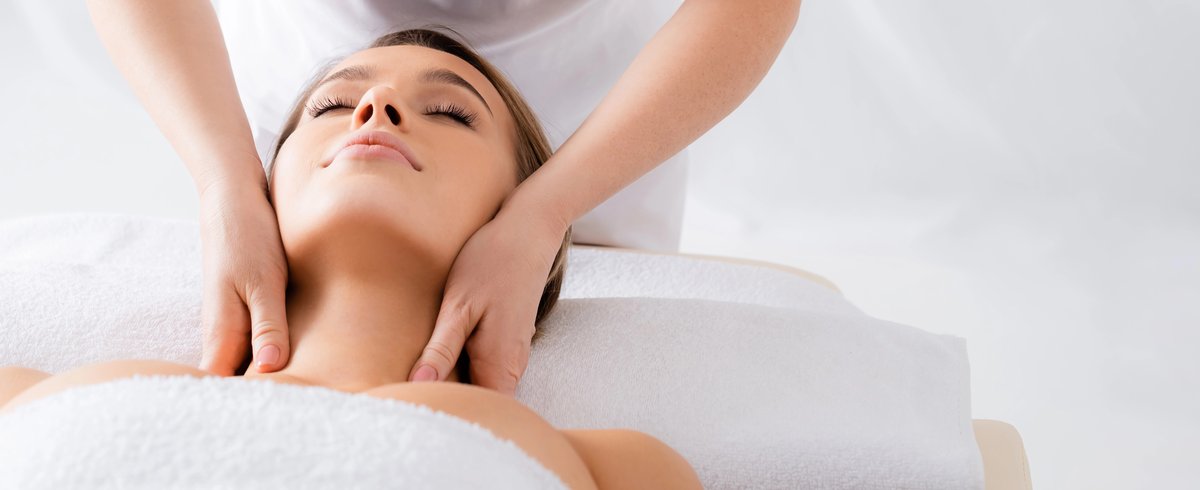
What Is Swedish Massage?
Swedish massage is a full-body treatment that uses a combination of long gliding strokes, kneading, friction, tapping, and gentle stretching. The therapist typically applies light to medium pressure while working with massage oil or lotion to reduce friction on the skin.
Developed in the 1800s by Per Henrik Ling, a Swedish physiologist, this technique became the basis for many Western massage modalities. Today, it remains the most widely practiced and recognized form of massage therapy in the United States and Europe.
The primary goal of Swedish massage is relaxation. While it can address minor muscle tension, its strength lies in calming the nervous system, reducing stress hormones, and promoting an overall sense of well-being.
The Five Core Techniques
Swedish massage incorporates five fundamental strokes, each serving a specific purpose in the session:
Effleurage (Gliding)
Long, sweeping strokes that follow the contours of the body. The therapist uses their palms, thumbs, or forearms to glide smoothly over the skin. Effleurage warms up the muscles, spreads oil evenly, and helps the therapist assess tissue tension. This stroke appears at the beginning and end of most Swedish massage sessions.
Petrissage (Kneading)
The therapist lifts, squeezes, and rolls the muscles as if kneading dough. This technique increases blood flow to the tissues, helps break up minor adhesions, and releases tension held in the muscle fibers. Petrissage works particularly well on the shoulders, back, and thighs.
Friction
Small, concentrated circular movements applied with the thumbs or fingertips. Friction generates heat and works on specific spots where tension accumulates. The therapist may use this technique around joints or on stubborn knots, though the pressure remains moderate compared to deep tissue work.
Tapotement (Percussion)
Rhythmic tapping, cupping, or hacking movements performed with the edges of the hands or cupped palms. Tapotement stimulates the muscles and nervous system, making it useful toward the end of a session when the therapist wants to bring energy back to the body.
Vibration
Rapid shaking or trembling movements applied with the fingertips or palms. This technique helps release tension in small, localized areas and can feel particularly soothing on the face, scalp, or along the spine.
What to Expect During Your Session
A typical Swedish massage session lasts 60 to 90 minutes. Here is what happens from the moment you arrive:
Consultation: Your therapist will ask about your health history, any areas of concern, and your pressure preferences. This is the time to mention injuries, sensitive areas, or specific goals for the session.
Preparation: You will undress to your comfort level (most clients remove all clothing, but underwear is fine) and lie on a padded massage table under a sheet. The therapist will only uncover the area being worked on.
The massage: Starting with your back, the therapist uses oil and begins with effleurage to warm the muscles. They work through the five techniques, paying attention to areas where they detect tension. The session typically covers the back, shoulders, neck, arms, hands, legs, feet, and (if time allows) the scalp and face.
Aftercare: Drink plenty of water after your massage. Some people feel deeply relaxed or even sleepy; others feel energized. Both responses are normal.
Benefits of Swedish Massage
Research and clinical experience support several benefits of regular Swedish massage:
- Reduced stress and anxiety: The calming strokes activate the parasympathetic nervous system, lowering cortisol and promoting relaxation
- Improved circulation: Effleurage and petrissage help move blood through congested areas
- Relief from minor muscle tension: While not as targeted as deep tissue, Swedish massage eases everyday aches
- Better sleep: Many clients report improved sleep quality after a session
- Enhanced mood: Massage increases dopamine and serotonin levels, contributing to emotional well-being
- Increased flexibility: Gentle stretching and muscle manipulation can improve range of motion over time
Swedish vs. Deep Tissue: Which Should You Choose?
People often confuse Swedish and deep tissue massage or wonder which is right for them. The choice depends on your goals:
Choose Swedish massage if:
- You want to relax and de-stress
- You are new to massage therapy
- You prefer lighter pressure
- You want a full-body experience rather than focused work
- You are dealing with stress-related tension rather than chronic pain
Choose deep tissue if:
- You have chronic muscle pain or stiffness
- You need targeted work on specific problem areas
- You prefer firm to intense pressure
- You are recovering from an injury
- You have persistent back pain or neck tension
Many spas offer a combination approach where the therapist uses Swedish techniques for general relaxation and incorporates deeper work on problem areas. Do not hesitate to ask for this blend when booking.
Who Benefits Most from Swedish Massage?
Swedish massage works well for almost everyone, but certain groups find it especially valuable:
First-time massage clients: The predictable, gentle nature of Swedish massage makes it an excellent introduction to professional bodywork. You can get comfortable with the experience before trying more intense modalities.
People under high stress: Office workers, caregivers, parents, and anyone dealing with chronic stress can use Swedish massage as a reset button for their nervous system.
Those seeking preventive care: Regular Swedish massage helps maintain muscle health, improve circulation, and catch minor tension before it becomes a bigger problem.
Seniors: The gentle pressure is appropriate for older adults who may have thinner skin or health conditions that preclude more aggressive techniques.
Tips for Getting the Most from Your Swedish Massage
To maximize the benefits of your session:
- Communicate with your therapist: Speak up if the pressure is too light or too firm. A good therapist wants feedback.
- Breathe deeply: Slow, deep breaths help your muscles relax and enhance the calming effects.
- Avoid eating a heavy meal beforehand: A light snack is fine, but lying face-down on a full stomach is uncomfortable.
- Arrive a few minutes early: Rushing in stressed defeats the purpose. Give yourself time to settle.
- Stay hydrated: Drink water before and after to help flush any metabolic waste released from your muscles.
- Schedule follow-up appointments: One massage feels good; regular sessions (every 4-6 weeks) produce lasting benefits.
Finding Swedish Massage in Frisco
Most massage therapists and spas in Frisco offer Swedish massage as a standard service. When booking, ask about the therapist's training and whether they can adjust pressure to your preference. Some studios specialize in relaxation-focused treatments, while others emphasize therapeutic work. Browse our Frisco massage directory to find providers near you.
If you are new to massage, Swedish is the perfect starting point. Once you experience its benefits, you can explore other modalities like hot stone, sports massage, or Thai massage to find what works best for your body and goals.