Understanding Back Pain
Back pain isn't a single condition. It's a symptom that can arise from many different sources. To understand how massage helps, it's useful to know what's actually causing your discomfort.
Common Causes of Back Pain
Muscular tension and strain: The most common cause of back pain. Sitting at a desk, poor posture, repetitive movements, or a sudden awkward lift can strain muscles and create painful tension. This type responds exceptionally well to massage.
Trigger points: These are hyperirritable spots within tight muscle bands that can cause local pain and refer pain to other areas. A trigger point in your shoulder blade might cause pain that radiates down your arm or into your neck.
Myofascial restrictions: Fascia is the connective tissue that surrounds and connects muscles throughout your body. When it becomes tight or restricted, it can create widespread pain and stiffness.
Postural imbalances: When some muscles are chronically shortened and others are lengthened, the resulting imbalance creates strain on the spine and surrounding structures.
Structural issues: Herniated discs, spinal stenosis, and arthritis can all cause back pain. While massage can't fix structural problems, it often provides significant relief by addressing the muscular components that contribute to pain.
How Massage Relieves Back Pain
Massage therapy works on back pain through several mechanisms:
Reducing Muscle Tension
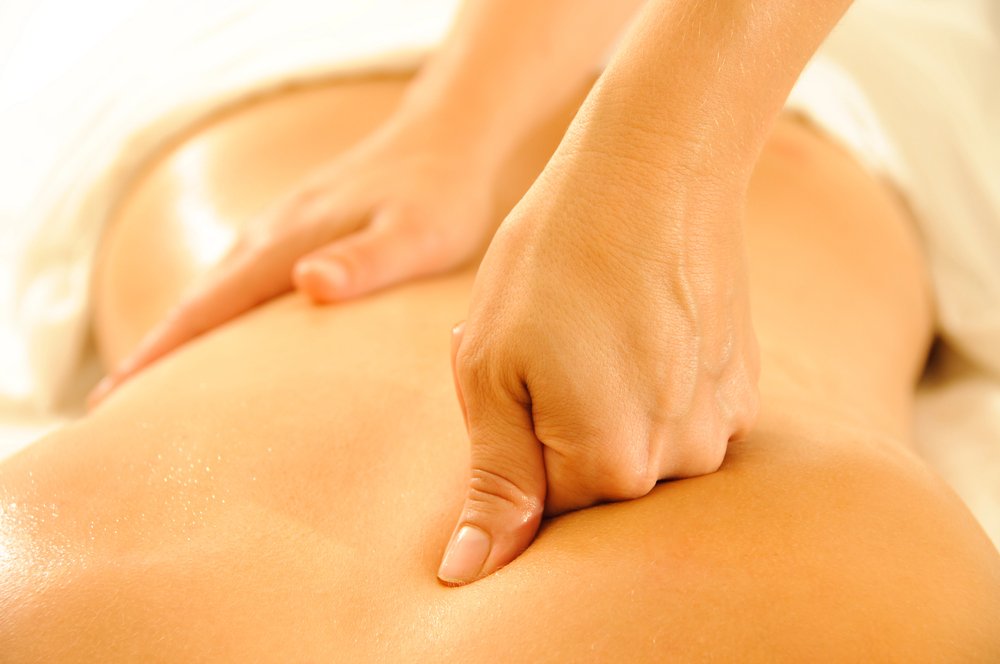
When muscles are chronically tight, they can compress nerves, restrict blood flow, and pull the spine out of alignment. Massage techniques like kneading, friction, and sustained pressure help muscles release their grip, reducing strain on the back.
Improving Circulation
Increased blood flow delivers oxygen and nutrients to damaged tissues while removing inflammatory waste products. This accelerates healing and reduces the pain associated with inflammation.
Releasing Trigger Points
Skilled therapists can locate and deactivate trigger points using specific pressure techniques. This can provide immediate relief for pain that has persisted despite other treatments.
Breaking Adhesions
Injuries and chronic tension can cause layers of tissue to stick together, limiting mobility and causing pain. Massage helps break up these adhesions, restoring normal tissue mobility.
Reducing Stress
The connection between stress and back pain is well established. Stress causes muscle tension, and that tension often concentrates in the back. By activating the relaxation response, massage addresses one of the root causes of many back pain cases.
Best Massage Types for Back Pain
Different massage modalities have different strengths when it comes to treating back pain.
Deep Tissue Massage
Deep tissue massage is often the first choice for chronic back pain. It uses slow, firm pressure to reach deeper layers of muscle and fascia. This is particularly effective for:
- Chronic lower back pain
- Stubborn muscle knots
- Post-injury scar tissue
- Postural problems from years of desk work
Note: Deep tissue work can cause some discomfort during the session. Communicate with your therapist about pressure levels.
Swedish Massage
Swedish massage uses lighter pressure and longer strokes. It's a good choice when:
- Your back pain is relatively recent
- You're sensitive to pressure
- Stress is a major contributor to your pain
- You're new to massage therapy
Trigger Point Therapy
This targeted approach focuses specifically on finding and releasing trigger points. If you have specific spots that radiate pain when pressed, trigger point therapy may provide faster relief than general massage.
Sports Massage
Sports massage combines techniques from various modalities and is particularly effective for:
- Athletes with back pain from training
- Active individuals recovering from injury
- Anyone with back pain related to physical activity
Hot Stone Massage
Hot stone massage uses heated stones to warm and relax muscles before deeper work. The heat can be especially soothing for back pain and allows the therapist to work more deeply with less pressure.
What to Expect During Your Session
When you book a massage specifically for back pain, here's what typically happens:
Intake Discussion
Your therapist will ask about the location, duration, and nature of your pain. Be specific about what aggravates it, what relieves it, and any diagnosis you've received. Mention any injuries, surgeries, or conditions that might affect the treatment.
Positioning
For back pain, you'll typically start face-down on the massage table. Therapists use face cradles and bolsters to keep your spine in a neutral position. If lying flat is uncomfortable, let your therapist know. Adjustments can be made.
Treatment Approach
A skilled therapist won't just attack the painful area. They'll work on surrounding muscles, assess how different areas connect, and often find that treating seemingly unrelated areas (like hips or glutes) provides significant back relief.
Communication
Speak up about pressure. "Good pain" (the kind that feels like productive release) is fine. Sharp, shooting, or jarring pain is not. Your feedback helps the therapist give you a more effective treatment.
How Often Should You Get Massage for Back Pain?
The right frequency depends on your situation:
Acute back pain (recent onset): More frequent sessions, perhaps twice weekly, can help resolve the problem faster. Once pain subsides, transition to maintenance.
Chronic back pain: Weekly sessions for 4-6 weeks often produce noticeable improvement. After that, bi-weekly or monthly sessions help maintain the gains.
Maintenance: If you have a history of back pain or a job that stresses your back, monthly massage can prevent flare-ups.
Your therapist can recommend a schedule based on how you respond to treatment. Most people see meaningful improvement within 3-4 sessions.
Complementary Approaches
Massage works well alongside other back pain treatments:
- Stretching: Regular stretching, especially of the hip flexors, hamstrings, and back muscles, helps maintain the improvements from massage.
- Core strengthening: A strong core supports your spine and reduces strain on back muscles.
- Ergonomic improvements: If your back pain comes from how you sit, stand, or work, addressing those factors prevents recurrence.
- Heat therapy: Applying heat before stretching or self-massage can extend the benefits of your professional sessions.
- Chiropractic care: Some people benefit from combining massage (for soft tissue) with chiropractic (for joint alignment).
When to Seek Medical Attention
Massage is appropriate for most back pain, but certain symptoms warrant medical evaluation first:
- Pain following a significant injury or fall
- Pain accompanied by numbness or weakness in the legs
- Loss of bladder or bowel control
- Pain that wakes you from sleep or is worse when lying down
- Unexplained weight loss with back pain
- Pain that hasn't improved after 6 weeks of conservative treatment
In these cases, get a medical evaluation before booking massage. Once cleared, massage can often be a valuable part of your treatment plan.
Finding a Back Pain Specialist in Frisco
When selecting a massage therapist for back pain, look for someone with experience treating your specific type of problem. Therapeutic or clinical massage therapists often have additional training in anatomy and pain treatment. Ask about their experience with back pain and what techniques they typically use.
A good therapist will take a thorough history, explain their treatment approach, and adjust based on your feedback. They should also give you recommendations for stretches or activities between sessions.