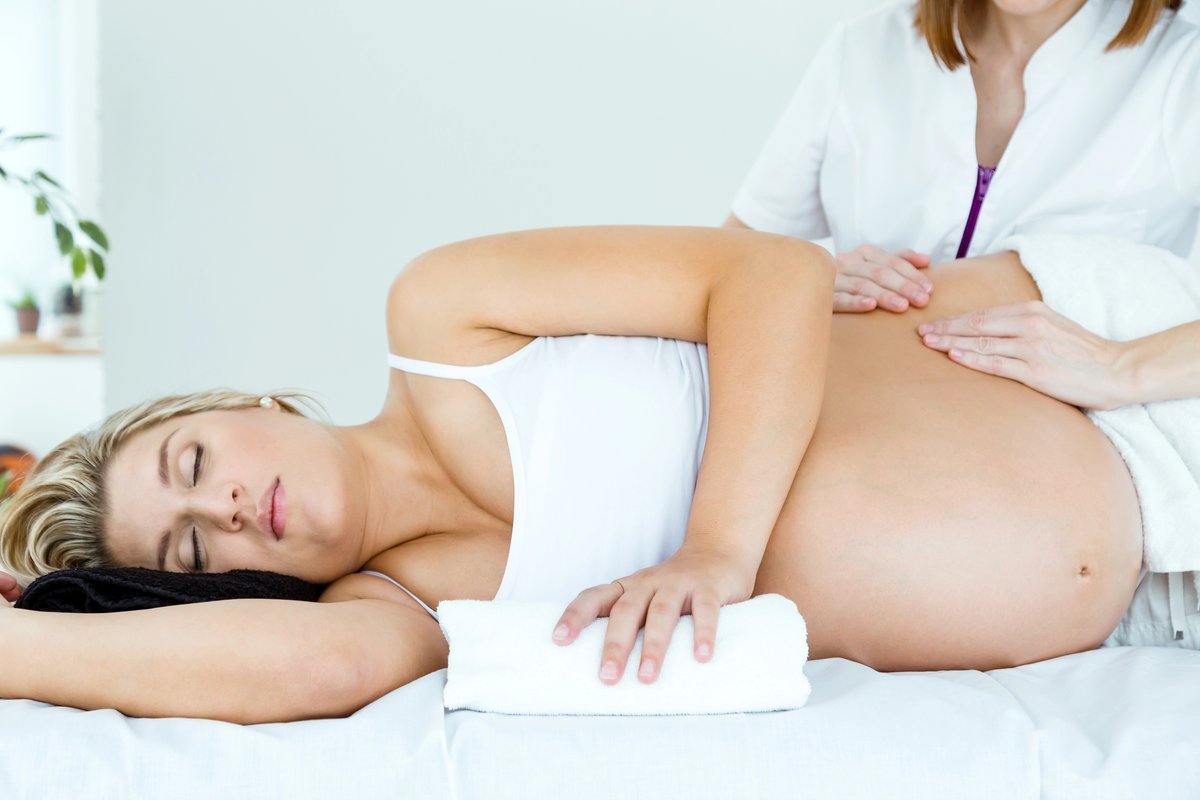
What Is Prenatal Massage?
Prenatal massage is therapeutic bodywork specifically adapted for the pregnant body. Using modified positioning, gentle techniques, and awareness of pregnancy-specific concerns, trained therapists provide relief from the aches, pains, and stress that accompany pregnancy.
The techniques draw primarily from Swedish massage, using light to moderate pressure with long, flowing strokes. Deep tissue work and intense pressure are avoided due to the changes in connective tissue that occur during pregnancy.
Prenatal massage differs from regular massage in several important ways: positioning is modified to keep mom and baby comfortable and safe, certain pressure points and areas are avoided, and the therapist monitors for pregnancy-specific conditions that may require adjustment.
Is Prenatal Massage Safe?
When performed by a trained therapist, prenatal massage is considered safe for most pregnant women. Research shows no increased risk of miscarriage or complications when massage is performed appropriately.
However, some conditions require clearance from your healthcare provider first:
- High-risk pregnancy
- Pregnancy-induced hypertension or preeclampsia
- Previous preterm labor
- Severe swelling, high blood pressure, or sudden headaches
- Placenta previa or placental abruption
- Recent bleeding or discharge
- Any condition where your doctor has restricted activity
Always inform your therapist about your pregnancy stage, any complications, and whether your doctor has any concerns. A qualified prenatal therapist will ask these questions before beginning treatment.
First Trimester Considerations
Many therapists and spas require waiting until the second trimester (after week 12) to begin massage. This is primarily a liability precaution, as the first trimester has the highest risk of miscarriage regardless of massage. There is no evidence that massage causes miscarriage, but some practitioners prefer the extra caution.
If you want massage during your first trimester, discuss it with your healthcare provider and find a therapist comfortable working with early pregnancy.
How Prenatal Massage Is Different
Positioning
The most obvious difference is how you are positioned on the table. As your belly grows, lying face-down becomes impossible and lying flat on your back for extended periods can restrict blood flow.
Common positioning options include:
Side-lying: You lie on your side, supported by pillows between your knees, under your head, and supporting your belly. The therapist works one side of your body, then helps you turn to address the other side. This is the safest position for later pregnancy.
Semi-reclined: For face-up work on shoulders, neck, and arms, you may be propped at a 45-degree angle rather than lying flat.
Pregnancy cushion systems: Some therapists use specialized cushions with cutouts that allow you to lie face-down safely. These systems must be properly designed to avoid putting pressure on the belly.
Pressure and Technique
Prenatal massage uses lighter pressure than typical therapeutic massage. Pregnancy hormones like relaxin loosen connective tissues and joints, making the body more vulnerable to injury from deep pressure. Gentle Swedish techniques provide relief without the risks of aggressive work.
Areas to Avoid
Trained prenatal therapists avoid certain areas:
- Direct pressure on the abdomen
- The inner ankle area (associated with acupressure points that may stimulate contractions)
- Deep pressure on the lower back in late pregnancy
- Overheating (no hot stone massage during pregnancy)
Benefits of Prenatal Massage
Research supports numerous benefits for pregnant women who receive regular massage:
Back Pain Relief
As your belly grows, your center of gravity shifts forward, straining the muscles of your lower and middle back. Prenatal massage addresses this tension directly, providing relief that many pain medications cannot offer during pregnancy.
Reduced Swelling
Edema (swelling) in the legs, ankles, and feet is common in pregnancy. Gentle massage techniques help move fluid from the tissues, reducing swelling and discomfort. Note: sudden or severe swelling requires medical attention.
Better Sleep
Between physical discomfort, frequent bathroom trips, and anxiety about the coming changes, sleep becomes difficult during pregnancy. Massage promotes relaxation and can improve sleep quality.
Reduced Stress and Anxiety
Pregnancy brings emotional as well as physical changes. Massage lowers cortisol levels and increases serotonin and dopamine, helping regulate mood and reduce stress.
Headache Relief
Hormonal changes and increased blood volume can cause headaches during pregnancy. Massage addressing the neck, shoulders, and head can provide relief without medication.
Sciatic Nerve Pain
The growing uterus can put pressure on the sciatic nerve, causing pain that radiates into the buttocks and legs. Prenatal massage can help relieve this pressure and reduce sciatic pain.
Shorter Labor
Some research suggests that women who receive regular prenatal massage have shorter labors and less need for intervention. The relaxation and muscle conditioning may help prepare the body for delivery.
What to Expect During Your Session
A typical prenatal massage session lasts 60 minutes, though some therapists offer 30 or 90-minute options. Here is what happens:
Intake: Your therapist will ask about your pregnancy stage, any complications, discomforts you want addressed, and areas to avoid. Be honest about your health history.
Positioning: You will be helped into a comfortable position, usually side-lying with pillows for support. Your therapist ensures you feel stable and comfortable before beginning.
The massage: Using gentle Swedish techniques, the therapist addresses your back, hips, legs, shoulders, neck, arms, and head. You will turn halfway through to address both sides of your body.
Pressure check-ins: Your therapist will ask about pressure and comfort throughout. Speak up if anything feels wrong.
Aftercare: Drink water, move slowly when getting up (blood pressure changes can cause dizziness), and rest if possible after your session.
How Often Should You Get Prenatal Massage?
Frequency depends on your needs and how your pregnancy is progressing:
First trimester: Every 2-4 weeks if your provider approves and you find a willing therapist
Second trimester: Every 2-3 weeks as discomforts begin
Third trimester: Weekly or bi-weekly as the physical demands increase
Listen to your body. If you are experiencing significant discomfort, more frequent sessions may help. If massage does not seem to help or you feel worse afterward, discuss with your healthcare provider.
Finding a Qualified Prenatal Massage Therapist
Not every massage therapist is trained in prenatal work. When seeking prenatal massage in Frisco, look for:
- Specific training: Ask about prenatal or perinatal massage certification
- Experience: How many pregnant clients has the therapist worked with?
- Proper equipment: The therapist should have appropriate cushioning and positioning aids
- Communication: A good prenatal therapist asks questions and explains what they are doing
- Comfort with your stage: Some therapists work with all trimesters; others prefer to wait until the second
Questions to ask when booking:
- Are you certified in prenatal massage?
- What positioning do you use?
- Will you work with clients in the first trimester?
- What areas do you avoid during pregnancy?
- Have you worked with high-risk pregnancies? (if applicable)
Postpartum Massage
Massage benefits continue after delivery. Postpartum massage helps with recovery by addressing sore muscles from labor, supporting the body as it returns to its pre-pregnancy state, and providing much-needed relaxation for new mothers.
After a vaginal delivery, you can typically resume massage within a few weeks. After a cesarean, wait until your incision has healed and your doctor clears you for bodywork. Let your therapist know about your delivery experience so they can tailor the session appropriately.
Self-Care Between Sessions
Extend the benefits of prenatal massage with these practices:
- Warm (not hot) baths for muscle relaxation
- Gentle stretching appropriate for pregnancy
- Pregnancy pillows for better sleep positioning
- Elevation and gentle movement for swelling
- Partner massage on the shoulders and feet
Finding Prenatal Massage in Frisco
Several spas and independent therapists in Frisco offer prenatal massage. When booking, confirm the therapist has prenatal training and experience. Chain spas may have policies about which trimesters they will serve, so check in advance.
Browse our Frisco massage directory to find providers offering prenatal services. This specialized treatment is an investment in your comfort and well-being during one of the most physically demanding times in your life.