Understanding Anxiety
Anxiety is more than just worry. It's a full-body experience involving your nervous system, hormones, muscles, and brain. While occasional anxiety is a normal response to uncertainty or stress, chronic anxiety involves persistent activation of your body's threat response even when no real danger exists.
Physical Symptoms of Anxiety
Many people don't realize how physical anxiety is. Common bodily symptoms include:
- Muscle tension, especially in the jaw, shoulders, and back
- Rapid or shallow breathing
- Increased heart rate and blood pressure
- Digestive problems
- Fatigue and sleep disturbances
- Headaches and body aches
- Trembling or shaking
- Sweating
This physical component creates a feedback loop: anxiety causes tension, and tension reinforces anxiety. Your body's posture of defense (raised shoulders, clenched jaw, shallow breathing) signals "danger" to your brain, which responds by maintaining high alert.
Types of Anxiety
Anxiety manifests in different forms, and massage can help with many of them:
Generalized Anxiety Disorder (GAD): Persistent worry about many aspects of life. The chronic muscle tension associated with GAD responds particularly well to massage.
Social Anxiety: Fear of social situations. While massage alone can't address the cognitive aspects, reducing physical tension can make social situations feel less threatening.
Panic Disorder: Recurring panic attacks with intense physical symptoms. Regular massage can help lower baseline anxiety, potentially reducing panic attack frequency.
PTSD: Trauma-related anxiety often manifests as chronic hypervigilance and muscle guarding. Massage must be approached carefully with trauma-informed techniques, but can be very helpful.
How Massage Reduces Anxiety
Research has identified several mechanisms through which massage helps anxiety:
Hormonal Regulation
Studies consistently show that massage reduces cortisol (the stress hormone) by approximately 30%. Simultaneously, it increases serotonin and dopamine, neurotransmitters associated with calm, contentment, and well-being. This hormonal shift directly counters the biochemistry of anxiety.
Nervous System Calming
Massage activates the parasympathetic nervous system, your body's "rest and digest" mode. This is the physiological opposite of the "fight or flight" state that characterizes anxiety. With regular massage, you can train your nervous system to spend more time in this calm state.
Breaking the Tension Cycle
When massage releases chronically held muscle tension, it interrupts the feedback loop between body and mind. Your body stops sending "danger" signals to your brain, and your brain stops telling your body to brace for threat.
Interoceptive Awareness
Interoception is your sense of what's happening inside your body. Anxiety often comes with poor interoceptive accuracy, meaning you may not notice physical tension until it's severe, or you may misinterpret normal bodily sensations as threatening. Massage helps you reconnect with your body's signals in a safe context.
Safe Human Touch
Positive physical touch triggers the release of oxytocin, sometimes called the "bonding hormone." Oxytocin has anxiolytic (anxiety-reducing) properties and promotes feelings of trust and safety. For people who lack regular positive touch in their lives, massage provides this basic human need.
Present-Moment Focus
Anxiety often involves ruminating about the past or worrying about the future. During massage, physical sensations naturally draw attention to the present moment, giving the anxious mind a break from its habitual loops.
Best Massage Types for Anxiety
Swedish Massage
Swedish massage uses gentle, flowing strokes that are specifically designed to promote relaxation. Its predictable, rhythmic quality helps anxious people feel safe and allows the nervous system to settle. For most people with anxiety, Swedish massage is an excellent starting point.
Aromatherapy Massage
Combining massage with calming essential oils like lavender, bergamot, or chamomile can amplify the anxiety-reducing effects. Scent has a direct pathway to the limbic system (the brain's emotional center), making aromatherapy particularly effective for mood issues.
Craniosacral Therapy
This gentle technique uses very light touch to work with the craniosacral system. Many people find it profoundly calming, particularly those whose anxiety has a strong mental or emotional component. The subtlety of the work can also feel less overwhelming for people who are sensitive.
Reflexology
Foot massage through reflexology can be deeply relaxing without requiring full-body exposure. For people with body image issues, trauma histories, or social anxiety about undressing, reflexology offers anxiety relief in a less vulnerable format.
Thai Massage
Thai massage involves stretching and movement along with pressure. Some anxious people find the active engagement helps them stay present rather than dissociating. However, the close contact and passive stretching may not suit everyone.
What to Expect at Your First Session
If you're anxious about getting a massage (which would be perfectly understandable), knowing what to expect can help:
Before the Massage
You'll fill out an intake form asking about your health history and goals. This is a good time to mention anxiety as a focus, as well as any sensitivities or trauma history that might affect the session. A good therapist will ask clarifying questions and explain what will happen.
Privacy and Draping
You'll undress to your comfort level. You're always covered by a sheet, with only the area being worked on exposed. If the idea of undressing causes anxiety, you can discuss staying partially clothed or trying a modality like Thai massage that's done fully clothed.
During the Session
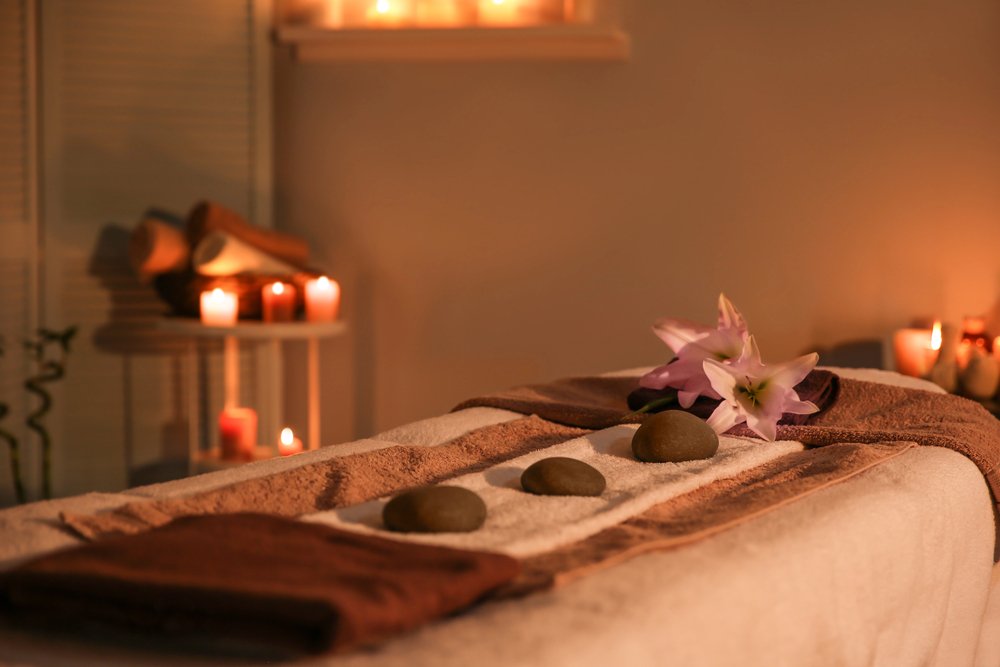
The room will typically be quiet with soft lighting. Many people worry about what they should do during a massage. The answer: nothing. Let your muscles go limp, breathe naturally, and let your mind wander or focus on the sensations. You don't need to make conversation.
If anything feels uncomfortable, you can always speak up. Pressure too deep? Say so. Need a break? That's fine. A good therapist wants your feedback and will adjust accordingly.
After the Session
You may feel very relaxed, possibly drowsy. This is normal. Give yourself a few minutes to sit quietly before driving. Drink extra water and plan a calm evening if possible.
How Often Should You Get Massage for Anxiety?
Research on massage for anxiety typically uses protocols of weekly or bi-weekly sessions over 5-12 weeks. This consistency allows cumulative benefits to build.
For severe anxiety: Weekly sessions for at least 6-8 weeks often produce the most significant improvements. This frequency helps retrain your nervous system toward calm.
For moderate anxiety: Bi-weekly sessions can provide good results while being more manageable for schedule and budget.
For maintenance: Once your baseline anxiety has decreased, monthly sessions often suffice to maintain the gains, especially when combined with other anxiety management strategies.
Massage as Part of Comprehensive Care
Massage therapy for anxiety works best as part of a comprehensive approach rather than as a standalone treatment:
Therapy
Cognitive behavioral therapy (CBT) and other forms of psychotherapy address the thought patterns and beliefs that fuel anxiety. Massage addresses the physical component while therapy addresses the mental component. Together, they're more powerful than either alone.
Medication
For some people, medication is an important part of anxiety management. Massage doesn't interfere with psychiatric medications and may enhance their effectiveness by reducing physical tension.
Lifestyle Factors
Exercise, sleep, caffeine reduction, and stress management all affect anxiety. Massage can make these other healthy habits easier by reducing your baseline stress level and improving sleep quality.
Mindfulness Practice
Meditation and mindfulness practice complement massage by building your capacity to stay present and observe anxiety without being overwhelmed by it.
Self-Massage Techniques for Anxiety
Between professional sessions, these simple techniques can help when anxiety spikes:
Diaphragmatic Breathing with Hand Placement
Place one hand on your chest and one on your belly. Breathe so that only the belly hand moves. This activates the parasympathetic nervous system. The touch of your hands adds a calming element.
Jaw Release
Anxiety often causes jaw clenching. Place your fingertips on the masseter muscles (the cheeks, near the back of the jaw) and make small circles while letting your jaw hang slightly open. This can quickly reduce overall tension.
Ear Massage
Gently rub your earlobes between thumb and forefinger, then work your way up the outer ear. The ears have many nerve endings connected to the vagus nerve, which controls parasympathetic activation.
Wrist and Hand Massage
Press your thumb into the center of your opposite palm and make slow circles. Work toward the wrist, then gently squeeze each finger. The hands have many sensory receptors, making hand massage particularly grounding.
Pressure Point Between Thumb and Index Finger
The webbing between your thumb and index finger (called Hegu or LI4 in acupressure) is traditionally associated with stress relief. Apply firm pressure for 1-2 minutes while breathing deeply.
Special Considerations
Trauma History
If you have a history of trauma, especially physical or sexual trauma, be aware that massage can sometimes trigger difficult memories or emotions. Look for a therapist with trauma-informed training, and go slowly. It's okay to keep some clothes on, to ask for specific areas to be avoided, or to stop the session at any time.
Social Anxiety
If social situations make you anxious, the one-on-one nature of massage can feel less threatening than other social contexts. However, the intimacy of the setting may also trigger some social anxiety. Consider starting with shorter sessions and building up as you become comfortable with your therapist.
Sensory Sensitivity
Many anxious people are also sensory-sensitive. Be clear about your preferences for music, lighting, temperature, and scent. A good therapist will adjust the environment to your needs.
Finding Anxiety-Focused Massage in Frisco
When seeking massage for anxiety, look for a therapist who understands the mind-body connection and creates a truly calming environment. Ask about their experience working with anxious clients and their approach to ensuring your comfort.
The therapeutic relationship matters for anxiety. You need to feel safe with your therapist. If the first person you try doesn't feel right, it's okay to try someone else.